Mexican Independence Day Festivities across Chicago went on peacefully and without ICE presence. In Little Village, the 54th Annual 26th Street Mexican Independence Day Parade happened on Sunday, September 14, 2025. The following day, September 15, the Mexican Cultural Committee of Chicago hosted El Grito, a Mexican Independence Day tradition, in Pilsen.
According to attendees, the crowds this year were noticeably smaller than years prior. Many community members chose to stay away from this year’s celebrations in response to ongoing ICE operations, deportations, and attacks on immigrant and Latino communities.
I attended both events this year as an act of solidarity with immigrants, Latinos, Mexican heritage, and pride. I don’t attend these events every year, but this year it felt particularly important to show up. It was important for me to be loud and proud about my Mexican heritage and show that I am not afraid to speak my truth, which is that I am Mexican-American, I am an immigrant, and I am proud to uphold Mexican traditions, culture, and heritage.
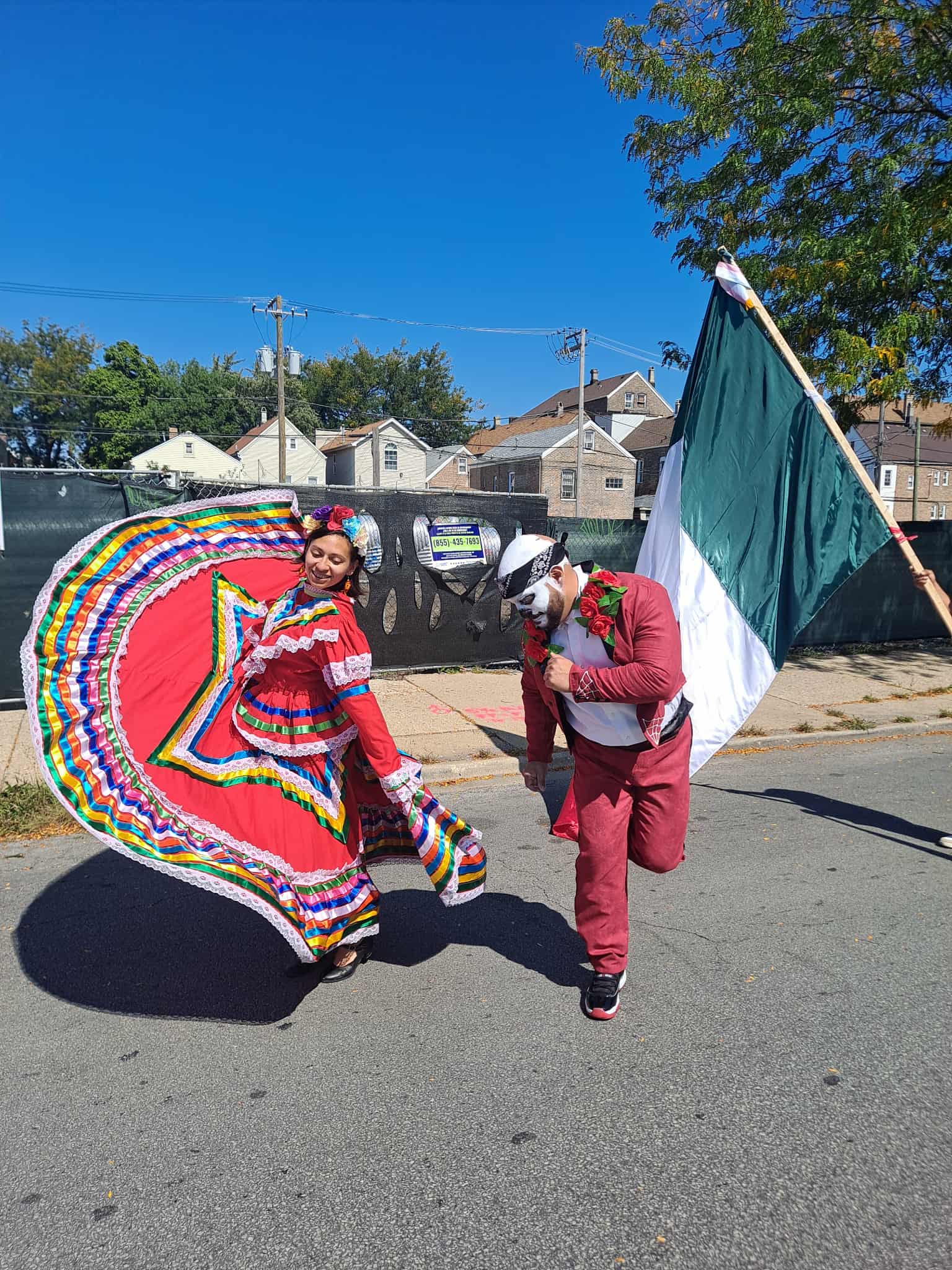
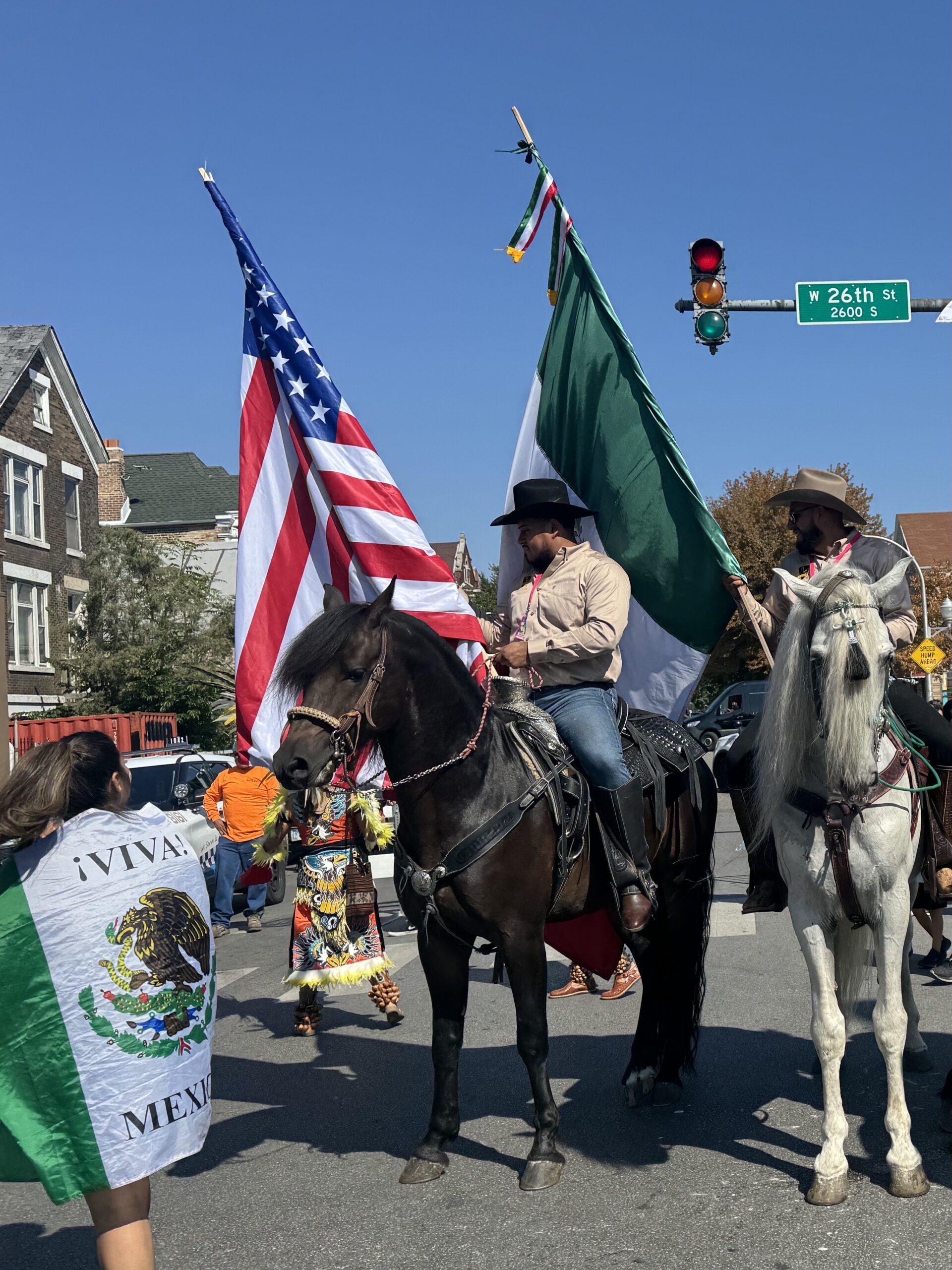
What I saw at the Mexican Independence Day festivities in Chicago was a lot of people who think like me. Crowds showed up to celebrate Mexican heritage in Chicago. They wore traditional Mexican outfits and took to the streets with Mexican dances and music. The majority waved the Mexican flag, some carried the American flag alongside the Mexican flag, while others waved a flag that combines the two, a symbol of the interconnectedness of Mexico and the United States.
Mexican Independence Day 2025 Parade at La Villita/Little Village
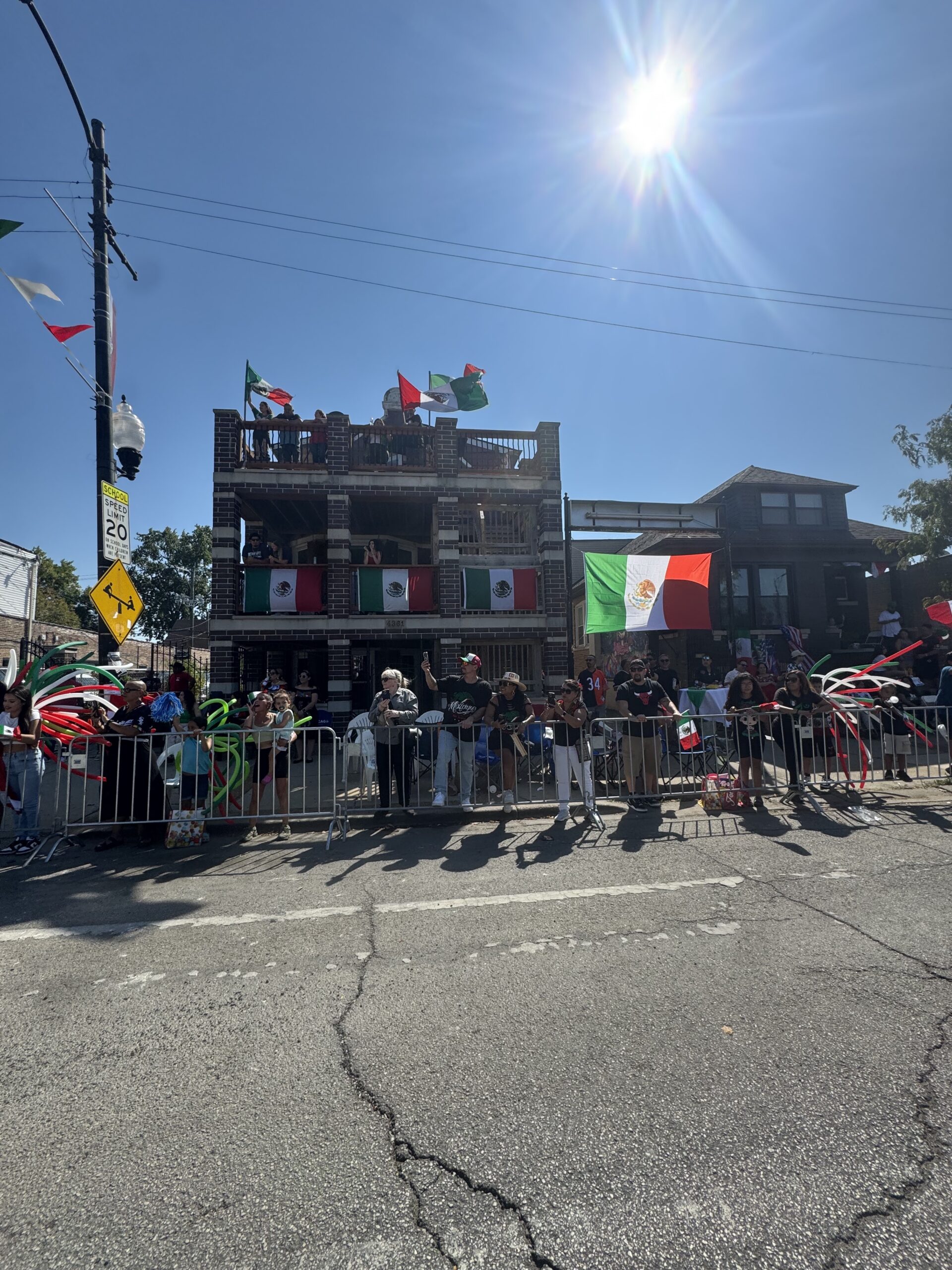
Little Village hosted the Mexican Independence Day Parade on Sunday, September 15th, two days before the actual Mexican Independence Day holiday, which is celebrated yearly on September 17th. The 54th Mexican Independence Day Parade on 26th Street was well attended, but event-goers familiar with the event say they saw fewer people this year than in previous years.
The attendance numbers were impacted by the ongoing ICE operations in Chicago and the surrounding suburbs. Hundreds of people have been detained by ICE, and deportations are on the rise in the Chicagoland area. Many of the would-be event goers may have been dissuaded from attending this year out of fear of ICE operations at the parade, since we know they are targeting Latino communities. Despite the immigration enforcement efforts, the Little Village Chamber of Commerce decided to go on with the parade this year.
Other Mexican Independence Day celebrations in Chicago were canceled due to ICE threats, in an attempt to safeguard vulnerable community members. For example, the El Grito 2-day Festival in Downtown Chicago was canceled. Organizers said in a statement, “It was a painful decision, but holding El Grito Chicago at this time puts the safety of our community at stake – and that’s a risk we are unwilling to take.”
Pride and Power – Latino Community Gathers in Little Village to Celebrate Cultural Traditions
The 2025 Mexican Independence Day Parade in Little Village/La Villita honors the The 2025 Mexican Independence Day Parade in Little Village/La Villita honors the resilience, contributions, and cultural richness of the Latino community. The parade featured unique floats, bands, folkloric dance performances, and more.
Residents, elected officials, community leaders, local businesses, and entertainers display pride and unity for Mexican culture, inspired by Mexican Independence.
Mexican Independence Day History, Why We Celebrate It Today
September 17th, Mexican Independence Day, is equivalent to the Fourth of July in the United States. In Mexico, the holiday is celebrated every year. The president of Mexico hosts El Grito de Independencia at the National Palace in Mexico City on the night of September 15th. This year was the first time a woman president delivered El Grito in Mexico.
Another first– the president chose an all-female escolta to perform the rites to the flag. The escolta de bandera is customary during Independence Day celebrations. The escolta is a group of uniformed guards who march with the flag in an act of national pride, respect, and patriotism. The song, Toque de Bandera, is an instrumental piece that accompanies the escolta as they march with the flag before handing it to the president to wave while they deliver El Grito.
The celebration commemorates the beginning of Mexico’s struggle for independence from Spain, which started with Father Miguel Hidalgo’s “Grito de Dolores” (Cry of Dolores) on September 16, 1810.
Preserving Cultural Identity and Mexican Heritage in Chicago, the United States
The Mexican Independence Day parades and celebrations are not about promoting the Mexican government over the United States government, or to denounce or make less of the United States. Rather, we celebrate the holiday as Mexican-Americans to preserve our cultural identity and honor our heritage.
The Little Village parade and El Grito in Pilsen are events that feature traditional music like Mariachi, dancing, food, and patriotic symbols. The events support the passing down of traditions to younger generations and keep Mexican culture alive in Chicago.
To me, the holiday is an opportunity to celebrate my cultural heritage. More than that, it’s a reminder that the Mexican people are resilient freedom fighters who have long been standing up against political powers that are unjust, racist, and inequitable, a plight that today’s Mexican-American community and allies continue.
The message of Pilsen’s Mexican Independence Day celebration this year is clear – El Grito is more than a celebration. It’s a symbol of resistance and solidarity.
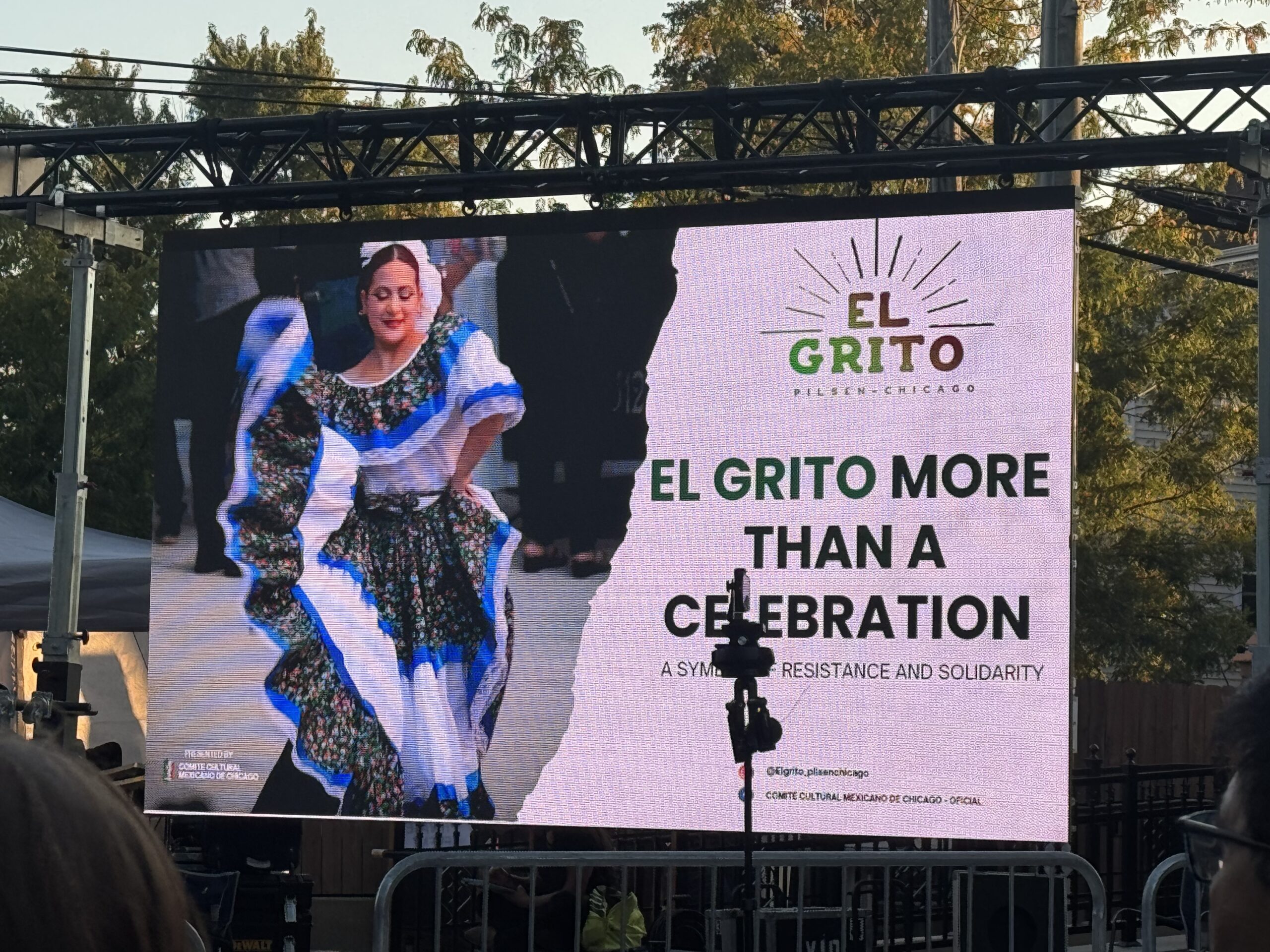
El Grito 2025 Event Held At Pilsen
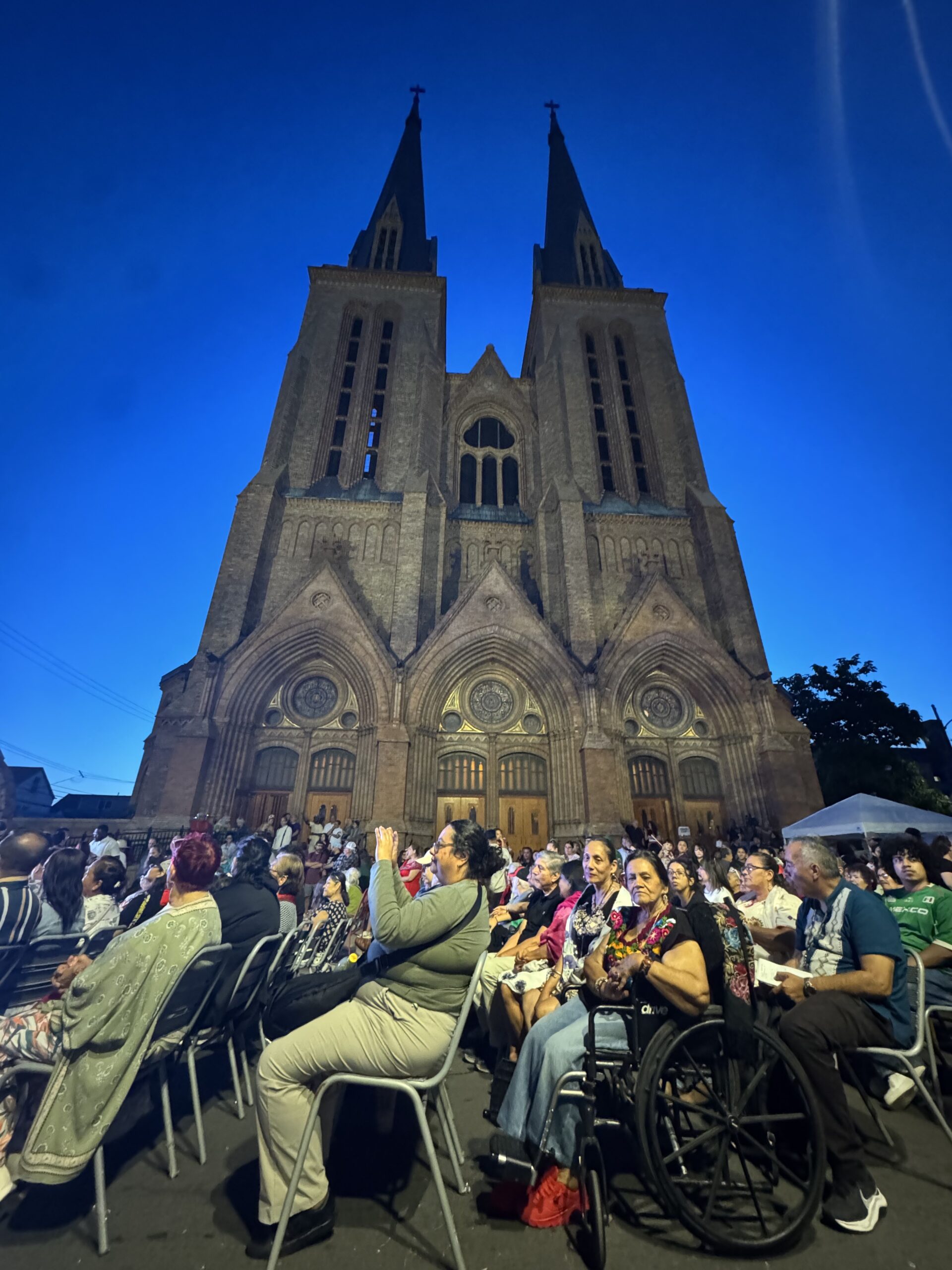
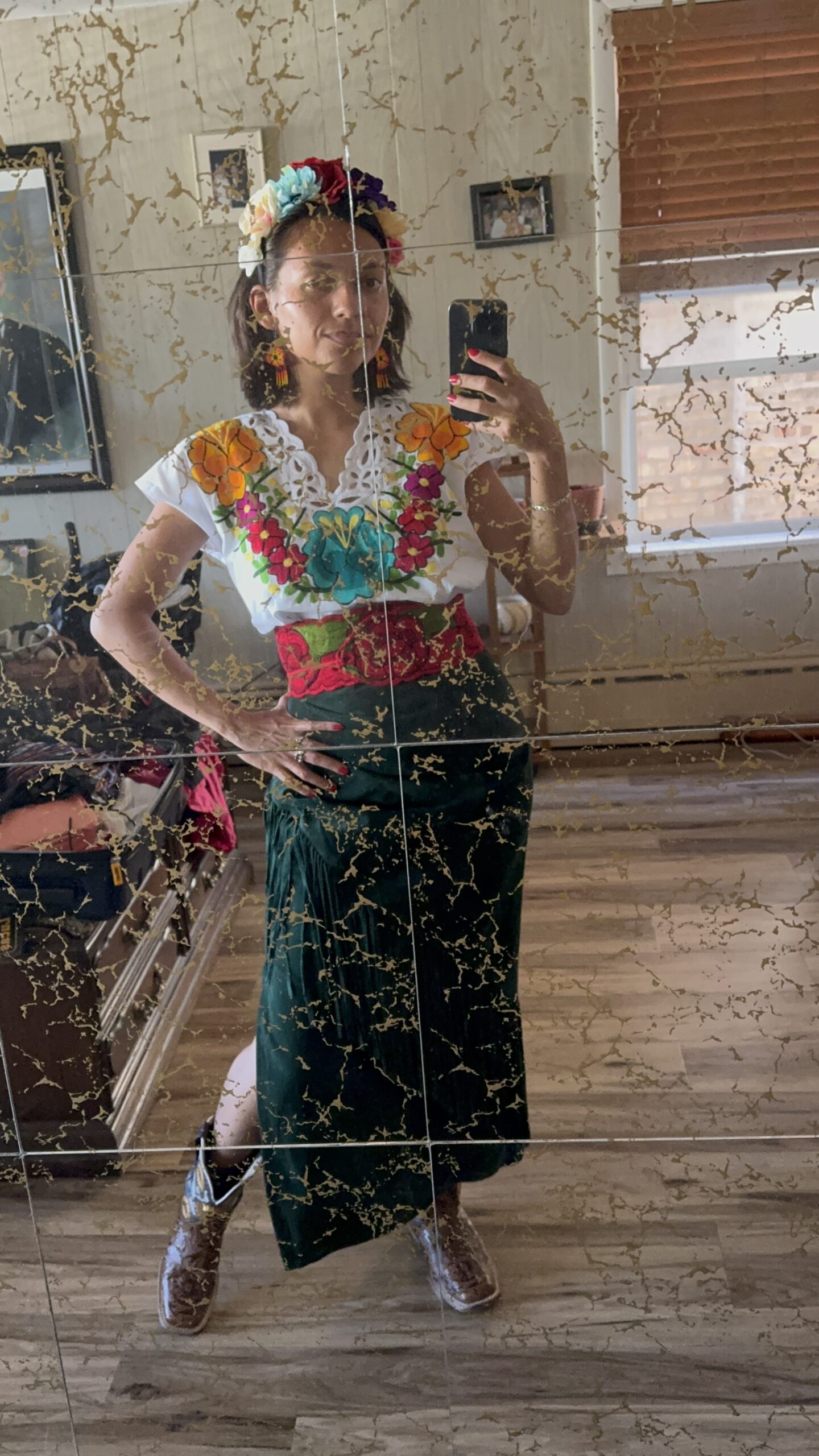
I got all dolled up in my cute outfit with pieces from Mexico to go to El Grito in Pilsen. I wore an embroidered blouse that’s rich in color, a flower crown, an embroidered belt, and a dark green leather skirt with boots. The event took up the street block in front of St. Paul Church in Pilsen.
There were several musical performances, including the Benito Juarez High School Mariachi Band.
Then, community members performed ritual rites for the Mexican flag, and the church’s priest delivered El Grito de Independencia.
“Viva Mexico!”
“Viva!”
View this post on Instagram

Leave a Reply